
Filming a Pediatric Feeding Therapy Story with Back 2 Basics
As a videographer, some projects go beyond visuals and become stories that genuinely matter. Recently, I had the opportunity to produce a video for Lindsey Carter with Back 2 Basics pediatrics. Back 2 Basics has multiple locations, One in Woodstock, Maryland and a location coming soon in Frederick, Maryland. Lindsey wanted to show the public and her clients about her new Food Therapy program, Capturing not just what they do, but why their work changes lives.
This wasn’t just another shoot. It was about documenting the journey of children learning to build confidence with food, and the compassionate professionals who guide them every step of the way.

Translating Therapy Into Visual Storytelling
From a storytelling perspective, this meant the video couldn’t just show therapy sessions. It needed to capture emotion, trust, and progress in a way that parents watching would instantly connect with.
When I approach a project through Clay Estes Productions, my goal is always the same, create a cinematic film that feels authentic and human, not staged or overly-scripted.
For this shoot, that meant:
-
Filming real therapy interactions rather than staged moments
-
Capturing close-up details such as hands exploring textures, smiles after small wins
-
Using natural light and soft movement to reflect a calm, welcoming environment
-
Shooting genuine conversations between therapists and families
The small details are what turn a clinical service into a relatable story that parents can see themselves in.
Capturing Progress, Not Perfection
One of the most powerful aspects of filming feeding therapy is witnessing progress in real time. It might be a child touching a new food for the first time, or calmly sitting through a meal that once felt overwhelming.
As a videographer, moments like these can’t be forced. With the most importance, they require patience, discretion, and an understanding that the camera should never disrupt the therapeutic process.
I focused on letting authentic moments unfold naturally so the final video truly reflects the child’s experience.
The Role of Video in Pediatric Healthcare Marketing
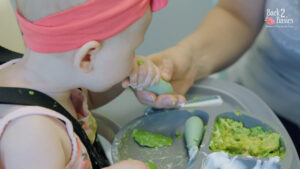
For therapy providers, video isn’t just a marketing asset, it’s reassurance. Parents searching for help want to see:
-
A calm, welcoming environment
-
Caring professionals interacting with children
-
Real examples of how therapy works
By visually showing these elements, the video becomes a bridge of trust between the provider and the families who need them most.
This is where cinematic storytelling plays a crucial role. Rather than simply listing services, a well-produced video allows parents to feel the warmth, compassion, and expertise before they ever make the first call.
Final Reflections
After finishing up the day-of production, I knew we had a lot of genuine, authentic interactions with children that would make a successful video for Back 2 Basics.
About two weeks after our production day, I sent Lindsey over a rough-draft and after a few critiques we completed our goal and can be seen here: Back 2 Basics Food Therapy Video
Working on this pediatric feeding therapy video reminded me that the most impactful films are rooted in purpose. Behind every scene is a child gaining confidence, a parent finding hope, and a team dedicated to long-term growth and success.
As a Maryland-based videographer serving businesses and organizations across the East Coast, projects like this align perfectly with my mission, crafting cinematic, story-driven films that help meaningful brands connect with their audience on a deeper level.
Because when storytelling and service intersect, video becomes more than content, it becomes connection.
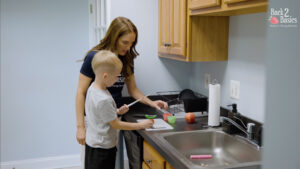
Screenshot
Thank you Lindsey at Back 2 Basics for letting us tell your story.